
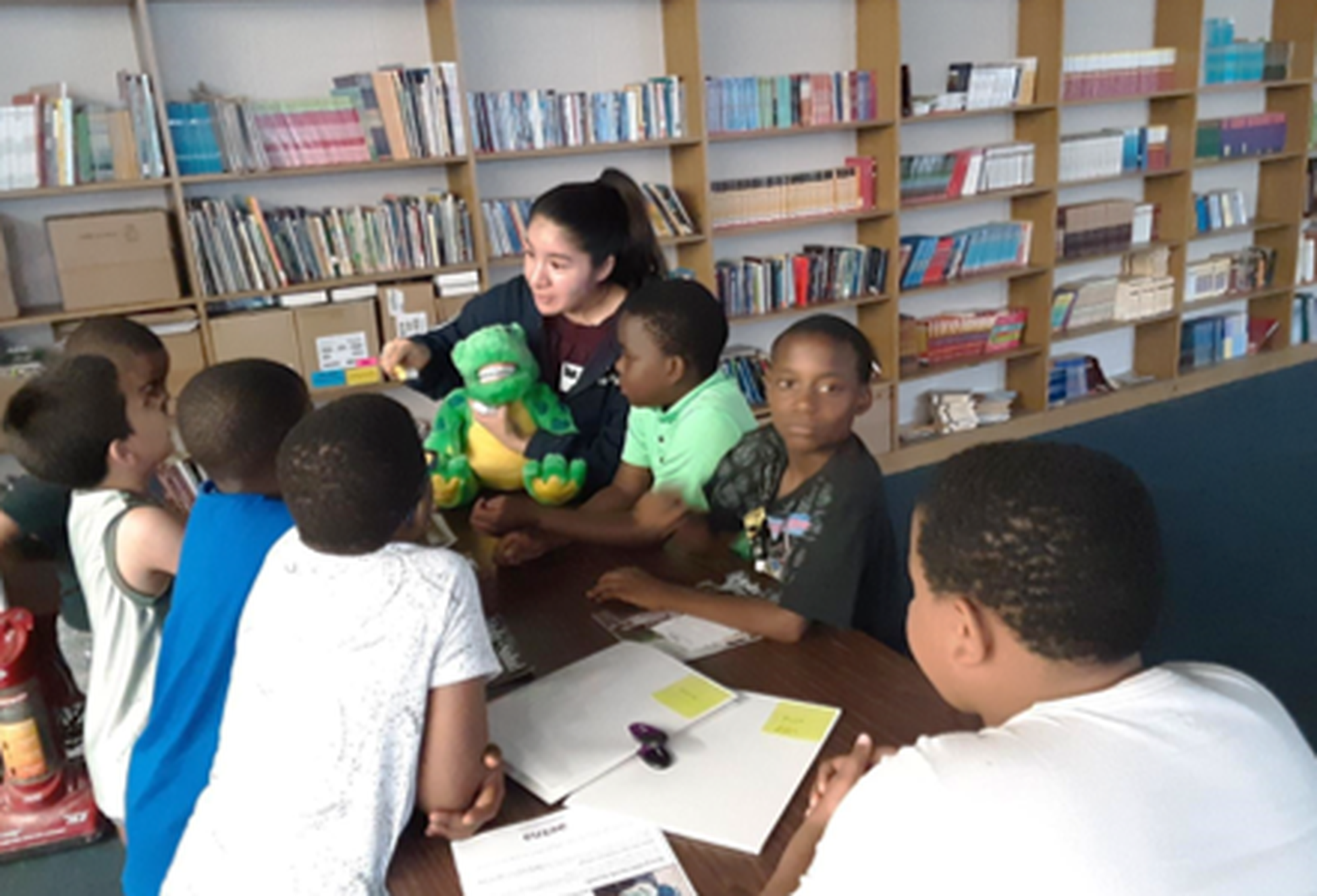
Overview of key components and objectives
High-Quality Academic and Character-Building Enrichment: The program offers a research-based and multicultural curriculum that focuses on academic enrichment. It aims to improve students’ academic proficiency in reading, math, science; arts, technology and history while simultaneously nurture their character, helping them develop essential life skills.
Parent and Family Involvement: The involvement of parents and families is crucial to the success of the program. It encourages active participation and engagement from families to support their children’s educational journey.
Civic Engagement and Social Action: The program seeks to instill in scholars a sense of civic responsibility and the importance of social action. It aims to empower students to make a positive impact in their communities and beyond, fostering a sense of activism and social awareness.
Intergenerational Servant Leadership Development: The program emphasizes the development of leadership skills among young scholars. They learn the value of serving others and become role models in their communities, working to bridge generational gaps.
Nutrition, Health, and Mental Health: The program recognizes the importance of physical and mental well-being. It provides support for nutrition, health, and mental health to ensure that scholars have the necessary resources and knowledge for a healthy and productive life.
Culturally Relevant Pedagogy: The program incorporates culturally relevant teaching methods and materials to help scholars better understand themselves and their place in a diverse, multicultural society. This approach aims to foster an appreciation for diversity and inclusion.
Love of Reading and Summer Learning: The program aims to instill a love for reading in scholars, providing them with high-quality books. Additionally, they aim to prevent summer learning loss, a common challenge for students during extended breaks, by offering educational activities and support during the summer months.
New Jersey Faith Action Center (formerly the Office of Faith Based Initiatives) Freedom Schools
Rooted in the legacy of the 1960s Civil Rights Movement, Freedom Schools were created to challenge systemic inequality and offer an alternative to an education system that dehumanized Black students and other students of color (Logue, 2008). Their focus on both individual development and community liberation—and the connections between the two—shapes the framework for evaluating the New Jersey Freedom School Initiative.
This evaluation will go beyond standard academic metrics like literacy and proficiency. It will also assess broader outcomes, including:
- Student-level: Development of critical thinking, social awareness, and a commitment to collective success
- School-level: Use of student-centered pedagogy and integration of social justice theory and action (praxis; Freire, 2000)
- Community-level: Engagement of students, families, and local stakeholders in identifying and addressing structural inequalities impacting youth and community well-being
Program Structure
All NJ Freedom Schools receiving FAC funding are required to operate:
- A certified summer Freedom School program, following the Children’s Defense Fund (CDF) Freedom Schools® model and participating in CDF’s site visit assessments
- A robust afterschool and tutorial program during the academic year, even if they did not previously offer one
The afterschool component must support and track academic progress of students who attended the summer program. While the summer programs follow the CDF model, NJ OFBI provides flexibility in how schools design their afterschool supports. Options include:
- Running an in-person academic support program that monitors school-based performance (e.g., grades provided by parents)
- Partnering with existing afterschool homework and tutorial programs, while ensuring consistent attendance and continued academic monitoring.
Source: New Jersey Department of State, New Jersey Faith Action Center — Freedom Schools: https://nj.gov/state/ofbi-freedom-schools.shtml
New Jersey Freedom Schools
| Name | Sponsor Organization Name | Municipality | County |
|---|---|---|---|
| Bethany Cares Freedom School | Bethany Cares, Inc.- Bethany Baptist Church | Newark | Essex |
| Bloomfield Freedom School | New Light CDC – New Light Baptist Church | Bloomfield | Essex |
| Breaking the Code Freedom School | New Hope ETC | Jersey City | Hudson |
| Calvary Freedom School | Calvary Baptist Church | Paterson | Passaic |
| Camden Dream Freedom School | Camden Dream Center / Koinonia Family Life, Inc. | Camden | Camden |
| Covenant Community Freedom School | Covenant Development Corporation | Plainfield | Union |
| Cross Community, Inc. (CCI) Freedom School | Cross Community, Inc. | Ewing | Mercer |
| Freedom School at the Mark | St. Mark’s Methodist Church – The Mark Montclair | Montclair | Essex |
| GMZ CDC Jasper Clark Freedom School | Greater Mount Zion CDC – GMZ AME Church | Trenton | Mercer |
| House of Miriam NJ Freedom School | House of Miriam – New Jersey, Inc. | Newark | Essex |
| Humanity Cares 4 All Freedom School | Humanity Cares 4 All, Inc. – Humanity Baptist Church | Newark | Essex |
| Inspire Life Freedom School | Inspire Life | Asbury Park | Monmouth |
| Loving Our Cities Freedom School | Loving Our Cities CDC – The Perfecting Church | Sewell | Gloucester |
| Lenora M. Green Freedom School of Trenton | Shiloh CDC – Shiloh Baptist Church | Trenton | Mercer |
| Open Door Freedom School | Open Door Community Development Corporation | Jersey City | Hudson |
| NewArk Freedom School | New Ark Freedom School (Rutgers-Newark) | Newark | Essex |
| Rutgers Camden CDF Freedom School | Rutgers Freedom School (Rutgers-Camden) | Camden | Camden |
| St. Luke Freedom School | St. Luke CDC – St. Luke Baptist Church | Paterson | Passaic |
| St. Paul Freedom School | St. Paul Baptist Church | Montclair | Essex |
| The O League Freedom School | The Opportunity League | Burlington | Burlington |
| Uplift Freedom School | Uplift Foundation of New Jersey | Scotch Plains | Union |
Evaluation Methods
Context
- Milestones, public policy & environment
- Descriptive historical & developmental narratives for each Freedom School
Qualitative
Assessment
- Observation, interviews, and focus groups (program teams, parents & community stakeholders)
- Capture variations in program environment, structure & implementation
- Obtain feedback on data collection & research plan
Collection
- Secure, web-based tool for student-level data collection (e.g., report cards, assessment scores, social-behavioral assessment data)
- Pre & post surveys
- Program experience (individual assessments)
- Quasi-experimental (causal focus)
- Track participants literacy trajectory
- Longitudinal data analysis (2 years / 8 marking periods)
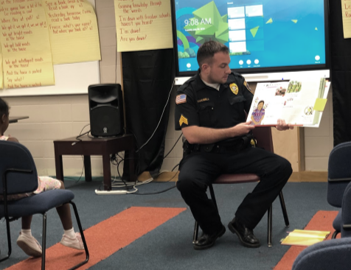
Goal 1: Historical Analysis
Exploring the history of Freedom Schools in New Jersey is a key component of the developmental evaluation. This work will identify major milestones, movements, legislation, and policies that have shaped today’s landscape, as well as examine legal considerations for establishing and expanding Freedom Schools. The evaluation will also document the histories of the five long-established Freedom Schools in the state, focusing on their structures, curricula, and measures of success.

Goal 2: Implementation study
The evaluation combines qualitative and quantitative research methods to assess program implementation and outcomes over a two-year period. Researchers will gather information through site visits, interviews, focus groups, observations, surveys, and academic performance data, while engaging program staff, families, and community members throughout the process. Data collected will help document program structures, experiences, and student outcomes, including literacy growth and participant perspectives. Findings will be used to guide continuous program improvement, support future Freedom School cohorts, and provide meaningful insights into the impact of the initiative across New Jersey.
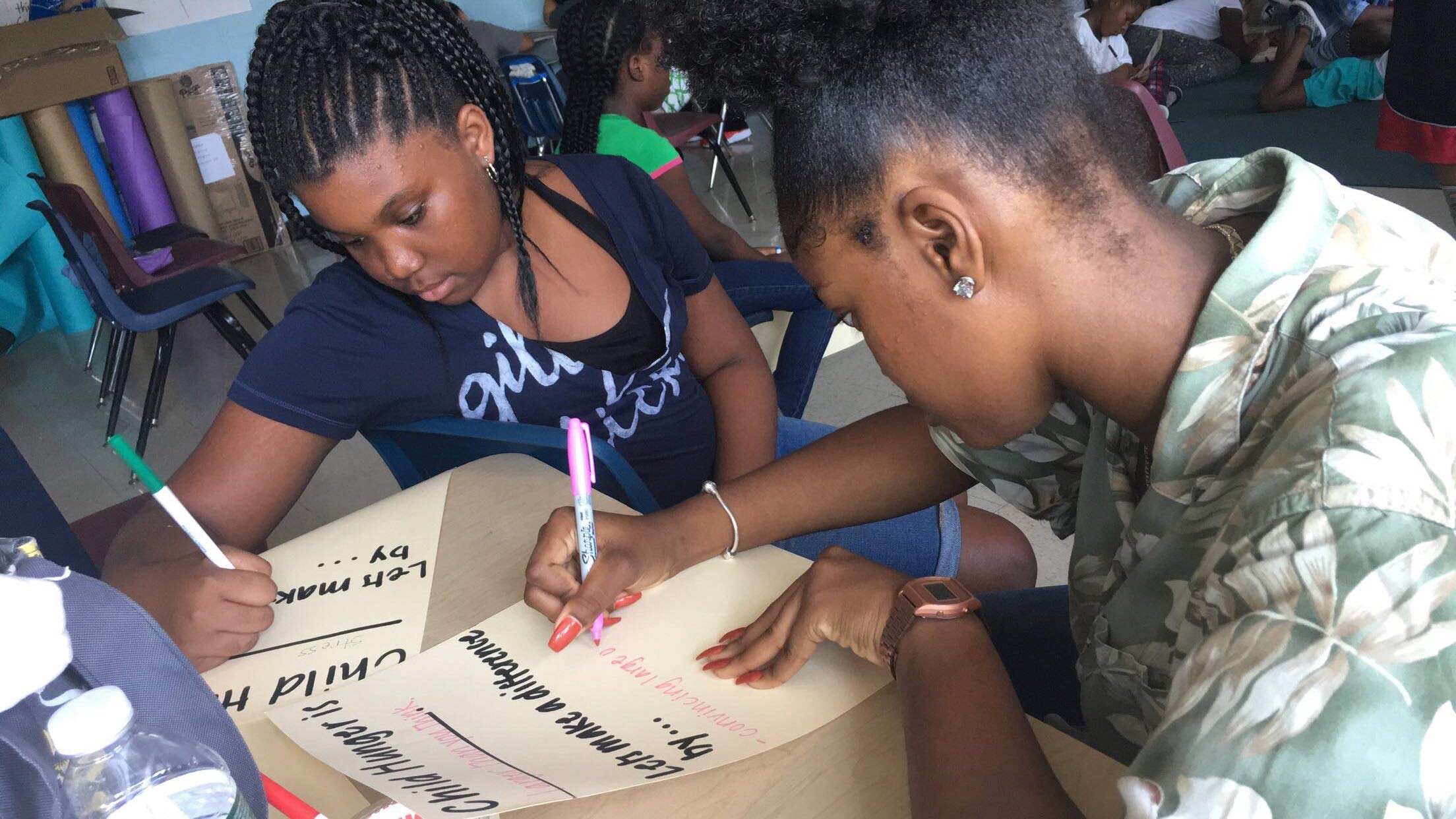
Goal 3: Conduct an impact study
In year two, a causal impact study will examine academic outcomes using report card and/or state assessment data. The initial analysis will focus on the ten established programs, with a follow-up study for the nine newer programs after two years of implementation. Using an interrupted time series design, students’ reading trajectories with the program will be compared to their projected trajectories without it, requiring sufficient prior report card data to establish baseline trends.
In addition, pre- and post-survey analysis will track changes in student attitudes and experiences. While not causal, these data will provide valuable insights into student development over time.
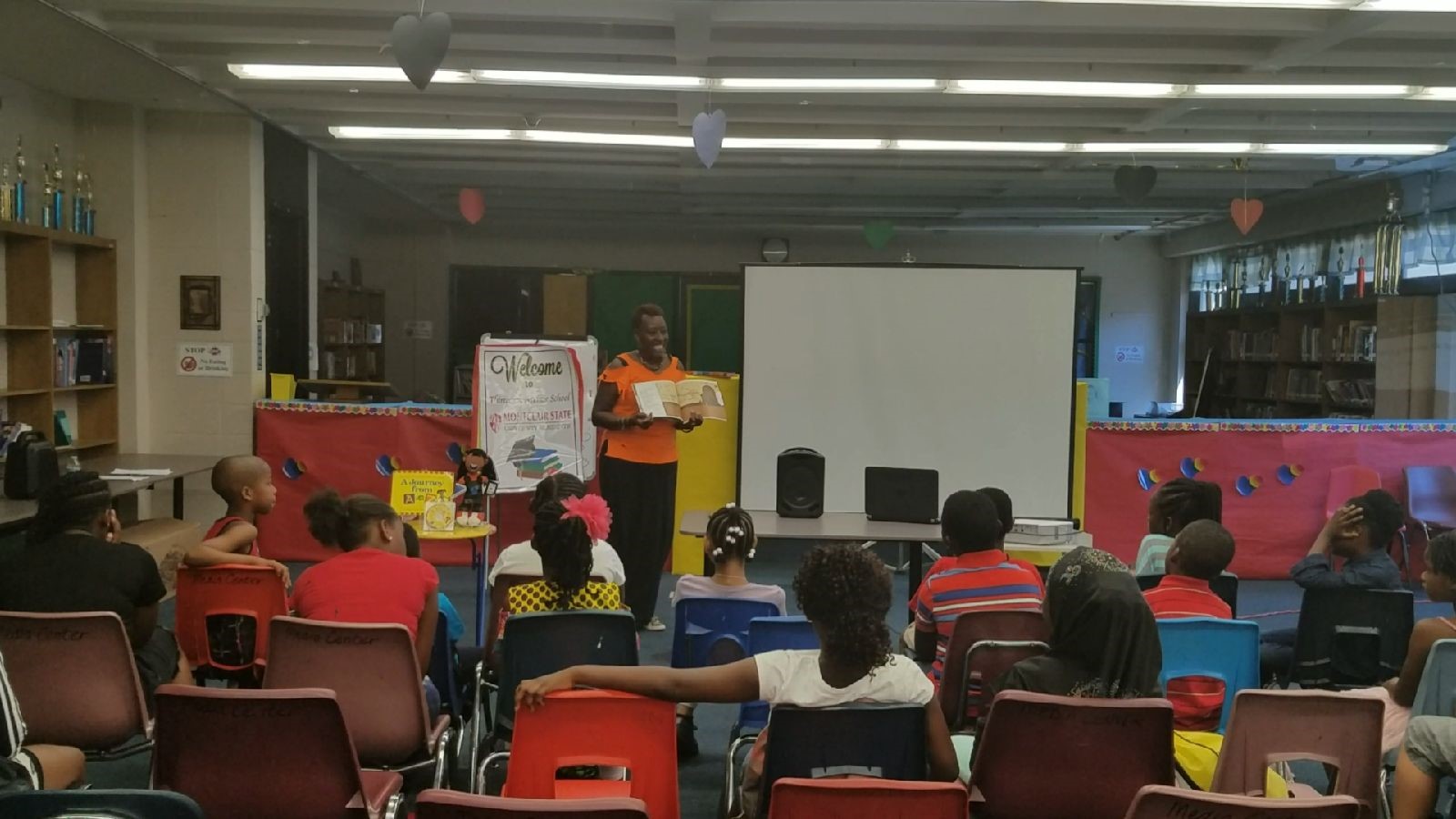
New Jersey Freedom School Research and Evaluation Team
- Dr. Diane Hill, Founding Co-Director, Center for Health Excellence & Community Empowerment, Assistant Professor of Practice, Rutgers University
- Dr. Vandeen Campbell, Assistant Research Professor and Associate Director, Joseph C. Cornwall Center for Metropolitan Studies
- Dr. Semaj Vanzant, Executive Director, New Jersey Faith Action Center
- Donita Devance, Associate Director, Office of University Community Partnerships
- Amanda Jaeger, Senior Research Analyst, Joseph C. Cornwall Center for Metropolitan Studies
- Dr. Margaret Goldman, Postdoctoral Associate, Joseph C. Cornwall Center for Metropolitan Studies
- Epiphany Munz, Research Assistant, Office of University-Community Partnerships
- Yvette Beaumont, Associate Director, Office of University Community Partnerships/Co-Coordinator Community Scientist Certificate Program
- Jayné Johnson, Deputy Chief of Staff, Office of the Secretary of State (Advisor)
- Edward LaPorte, Deputy Chief of Staff, Office of the Secretary of State (Advisor)
- Dr. Charles Payne, Henry Rutgers Professor of Africana Studies and Director, Cornwall Center for Metropolitan Studies, Rutgers University–Newark (Advisor)
New Jersey Faith Action Center (formerly the Office of Faith Based Initiatives) Freedom Schools
The mission of the New Jersey Faith Action Center (FAC) is to strengthen New Jersey communities by supporting faith-based organizations as vital service and civic partners — removing barriers, building capacity, and connecting the resources of state, local, nonprofit, and philanthropic partners to the institutions closest to the people.
The FAC was established by the New Jersey Department of State as a bold reimagining of how state government partners with faith communities. Formerly known as the Office of Faith-Based Initiatives, the FAC was ceremonially renamed and strategically repurposed under the administration of Governor Mikie Sherrill and Lieutenant Governor Dale Caldwell — signaling a fundamental shift from passive engagement to coordinated, measurable action.
The transformation reflects a simple but powerful truth: faith-based institutions are not just places of worship — they are among the most trusted, effective, and responsive community institutions in New Jersey. They feed the hungry, shelter the vulnerable, mentor youth, and hold neighborhoods together. The FAC was created to stand alongside them.
Children’s Defense Fund (CDF) Freedom Schools
About
CDF Freedom Schools® provides summer and after-school enrichment through a research-based and multicultural program model that supports K-12 scholars and their families through five essential components. We focus on high-quality academic and character-building enrichment, parent and family involvement, civic engagement and social action, intergenerational servant leadership development, nutrition, health, and mental health.
CDF Freedom Schools incorporates the totality of CDF’s mission by fostering environments that support young people (known as “scholars” in the program) to excel and believe in their ability to make a difference in themselves as well as their families, schools, communities, country, and world with hope, education, and action.
With a goal of encouraging scholars to believe in their ability and responsibility to make a difference, we provide scholars with culturally relevant pedagogy and high-quality books to deepen their understanding of themselves and all they have in common with others in a multiracial, multicultural democratic society. The program helps foster scholars’ love for reading to avoid summer learning loss.
Origins and Evolution of the CDF Freedom Schools® Program and Movement
CDF Freedom Schools® program has its origins in the Mississippi Freedom Summer Project of 1964, which brought college students from around the country to Mississippi to secure justice and voting rights for Black citizens. These early Freedom Schools aimed at keeping Black children and youth safe and giving them rich educational experiences that were not offered in Mississippi’s public schools. In a variety of makeshift settings, college student volunteers provided instruction in reading, writing, humanities, mathematics, and science along with subjects not taught in Mississippi public schools, such as Black history and constitutional rights. All of their instruction was tailored to encourage children and youth to become independent thinkers, problem solvers, and agents of change in their own communities.
CDF opened the first two CDF Freedom Schools sites in 1995 to address the needs of children who lacked access to high-quality literacy programs during the summer. The CDF Freedom Schools program today is designed to improve reading, language skills, and interpersonal relationships; strengthen families; connect children to medical and other needed social services; and develop in all participants the skills needed to improve conditions for children and families in their communities.